“The struggle itself toward the heights is enough to fill a man’s heart.”
Albert Camus, The Myth of Sisyphus
Most men hear the story of Sisyphus and focus on the climb. The stone. The effort. The endless repetition. It feels familiar, almost too familiar, like the shape of modern life itself. Wake up. Work. Push. Repeat. Always moving, never arriving. Camus calls this the “mechanical life”. So, they read Camus and walk away with something safe. “Learn to enjoy the grind.” “Find happiness in the struggle.” But that’s not where the fire is. That’s not where the transformation happens.
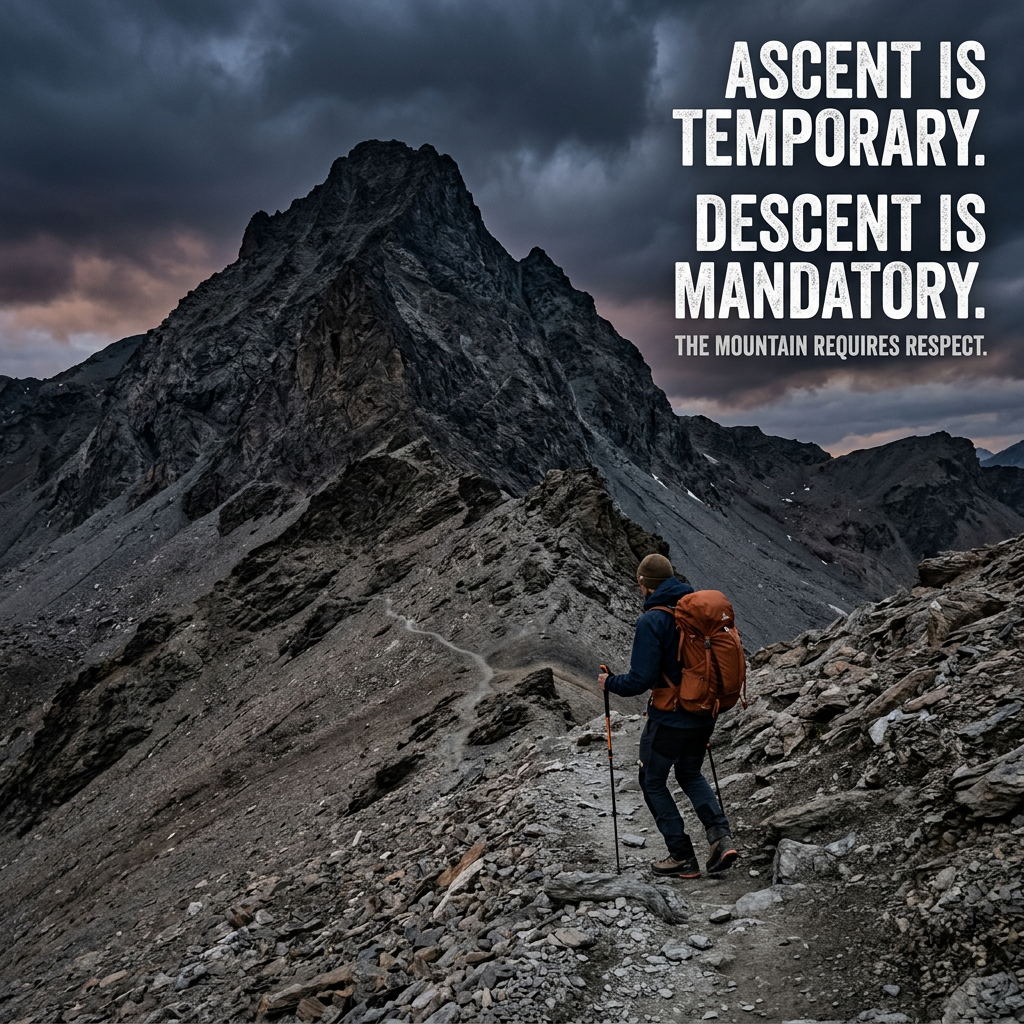
The real moment, the one most men overlook, is not the climb.
It’s the walk back down.
Because the climb is mechanical. It’s motion. It’s distraction. It gives you something to do, something to focus on, something to hide inside. Most men live their entire lives in that climb. They stay busy so they never have to stop. They keep pushing so they never have to look. But Sisyphus cannot escape the descent. The stone falls. The task ends. And he must walk back down the mountain with nothing in his hands and nowhere to hide.
That’s where everything changes.
On the way down, there is no illusion of progress. No future reward waiting at the top. No story to tell himself about why this will all pay off someday. There is only silence. Only awareness. Only the clear, unfiltered truth of his condition. And this is where most men would break. This is where most men do break. Because this is the moment where the questions get loud. What is the point? Why am I doing this? Where is this going? The modern world has trained you to run from this moment, to drown it out with noise, distraction, endless input. Anything to avoid standing face to face with the silence.
But Sisyphus does not run.
He sees it.
Fully. Clearly. Without flinching.
And instead of collapsing under that awareness, something unexpected rises in him.
Not hope.
Not comfort.
But defiance.
Camus calls it a kind of scorn. Not bitterness. Not self-pity. Something sharper. Something upright. The posture of a man who looks directly at his fate and refuses to kneel before it. The mountain does not own him. The repetition does not define him. The silence does not break him. Because in that moment, he understands something that most men spend their lives trying to avoid:
There is no answer coming.
No final meaning waiting.
No justification that will make it all make sense.
And still; he walks.
That is the birth of the Absurd Hero.
Not at the top of the mountain or in the struggle itself. But in the descent, where a man becomes fully aware of his reality and chooses to continue anyway. This is what Camus means when he says, “we must imagine Sisyphus happy”. Not because his life is good. Not because his burden is light. But because he no longer needs it to be anything other than what it is. His freedom is not found in changing his fate. It is found in refusing to be crushed by it.
This is the moment modern men are systematically avoiding.
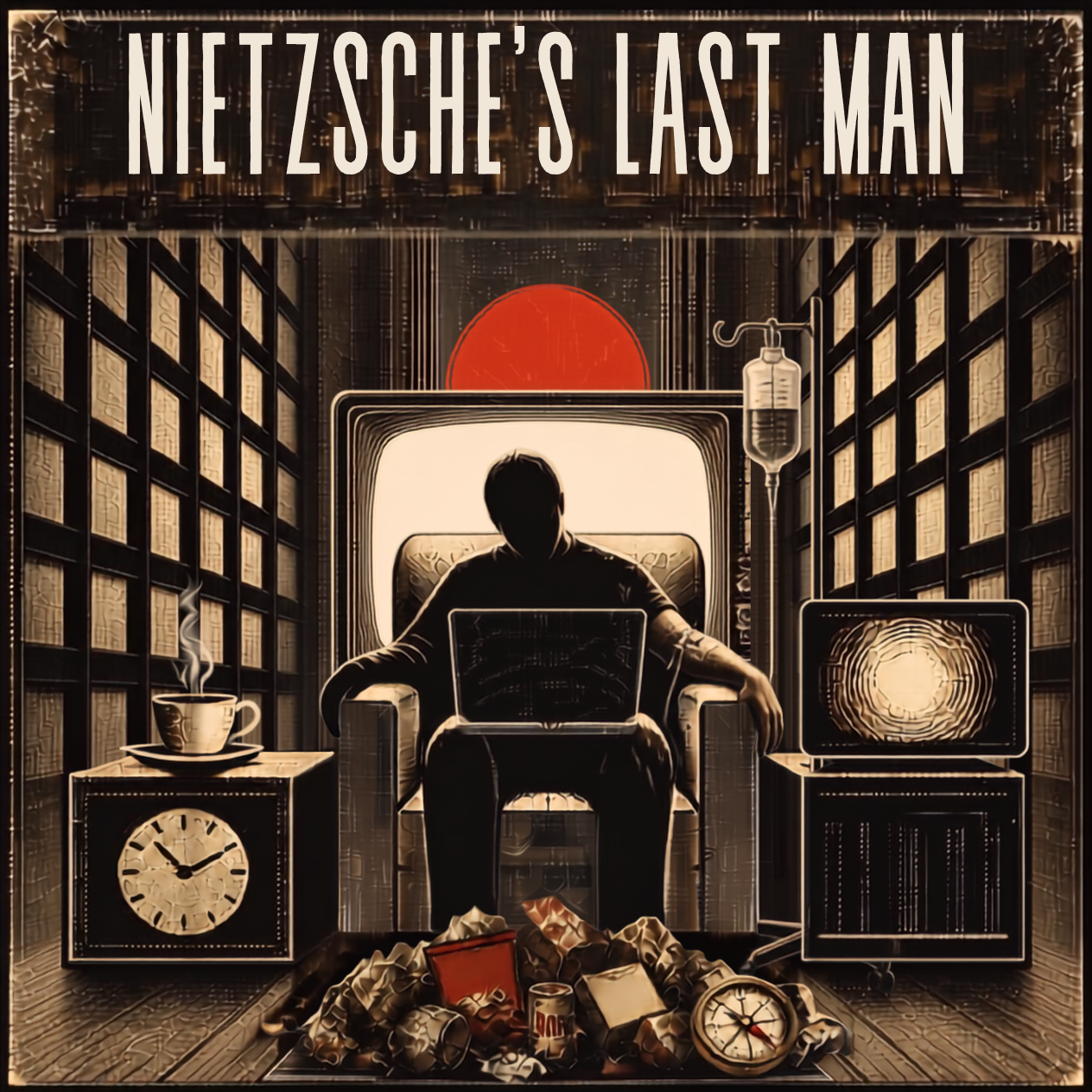
The second there is silence, you fill it. The second there is stillness, you reach for something. A screen. A voice. A distraction. You never allow yourself to walk back down the mountain. And because of that, you never develop the one thing that could actually steady you in this life:
Defiant awareness.
The ability to see your life clearly, without illusion, and still choose to move.
Your walk down the mountain is already there. It’s in the quiet moments you try to escape. The drive home. The early morning before the world starts talking. The late night when everything slows down and there’s nothing left to distract you. That’s your descent. That’s your opening. And every time you rush to fill it, you step away from the very thing that could make you unshakeable.
Because if you stay there; just a little longer than is comfortable; something shifts.
The questions lose their panic.
The silence loses its threat.
And in its place, something harder begins to form.
A simple, unadorned decision:
This is my life. I see it. And I will move anyway.
No map. No promise. No appeal.
Just choice.
That is where your fire is waiting.
Not in the climb.
But in the man walking back down the mountain, fully awake, carrying nothing but the refusal to stop.
And that is enough.