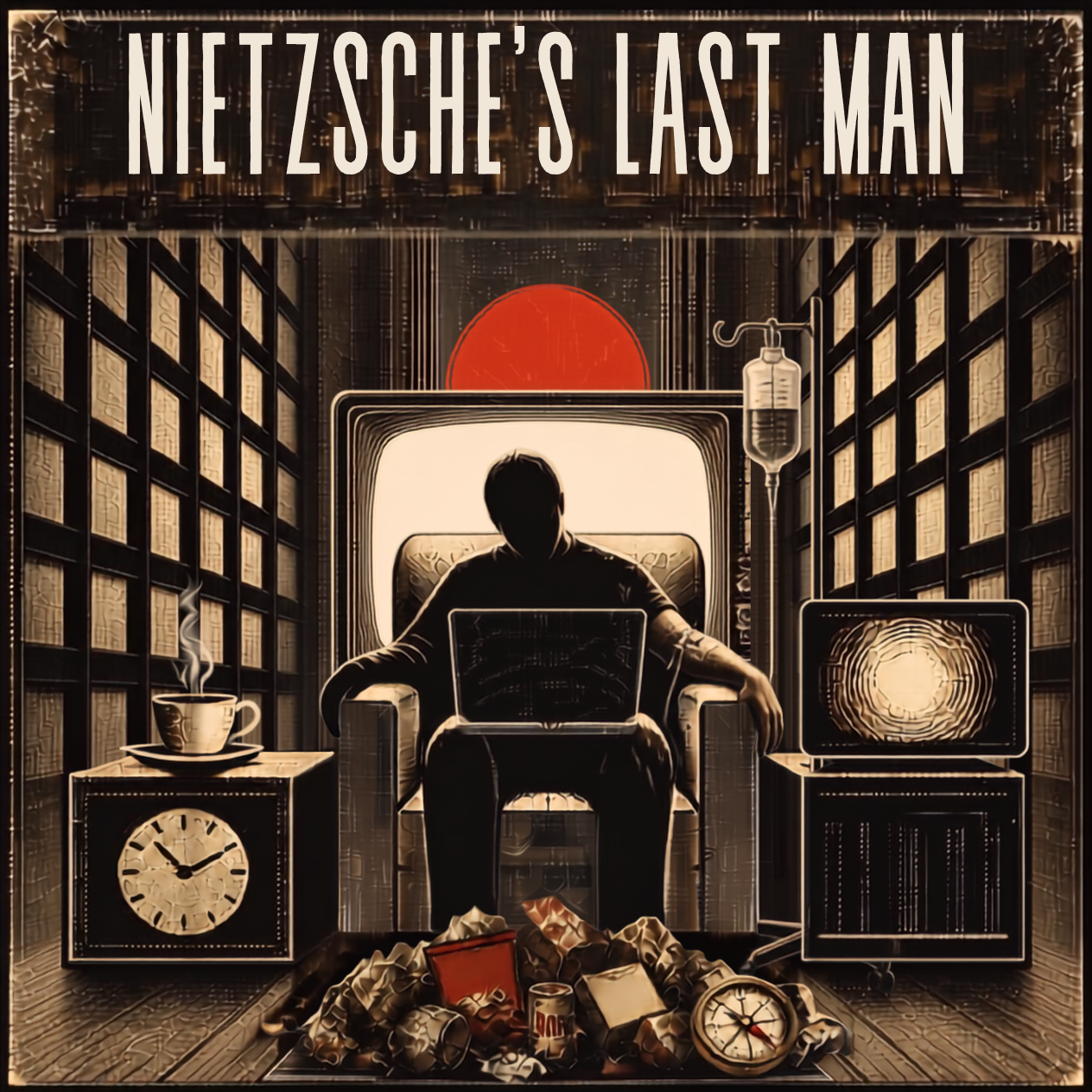
Modern men were told to stop worshipping heroes, but nothing replaced them. The suspicion was understandable. Figures fell. Institutions disappointed. Authority proved fragile. Admiration came to feel dangerous, naïve, even childish. So, hero worship was treated as something to outgrow rather than something to refine. But removing heroes did not make men more independent. It made them disoriented. Without heroes, men drift. Without lineage, they imitate. Without models of excellence, they optimize themselves into nothing. Hero worship, done correctly, is not submission. It is orientation.
Before men argued about systems, they watched men. Before values were written, they were embodied. Before identity was debated, it was demonstrated. Every culture; tribal, feudal, imperial, religious, secular; organized itself around figures who carried the weight of possibility. Not because they were flawless, but because they made action legible. Long before theories of meaning or purpose, human beings learned how to live by watching someone live well under pressure. This instinct is older than politics and deeper than culture. Heroes predate nations. Lineage predates ideology. Imitation predates theory.
What modern culture did was not to free men from hero worship. It severed the vertical transmission of embodied meaning. And when that chain breaks, men do not stop needing orientation. They simply receive it sideways, from algorithms, rage cycles, parasocial figures, and optimization cults. The instinct never disappears. It only degrades. A man without heroes does not become autonomous; he becomes impressionable. His values are shaped by repetition rather than reflection, and his sense of self becomes reactive, assembled from fragments rather than forged through effort.
For most of human history, heroes were not distant. They were close enough to disappoint you, challenge you, and demand something of you. A man’s first orientation did not come from strangers on a screen, but from lineage. Stories of fathers, grandfathers, and ancestors carried weight because they were personal. Their failures were known. Their sacrifices were tangible. Families once passed down meaning alongside land, tools, and names, compressing values into stories that could travel across generations without needing explanation.
To mythologize your ancestors is not to pretend they were perfect. It is to ask what they endured, what they built, and what they refused to surrender. This is where grounding begins. When a man knows what his line survived, his actions stop feeling optional. A quiet pressure appears, not to impress the world, but to be worthy of what was carried forward. From this emerges a personal code, distilled under strain: endurance, craft, responsibility, loyalty, humor in hardship. These are not motivational slogans. They are standards.
Modern culture mistrusts myth because it confuses myth with deception. But myth is not a lie; it is a compression. Facts tell you what happened. Myths tell you what matters. Without myth, men inherit data instead of direction; dates without values, outcomes without cost. Myth restores continuity. It reminds a man that struggle is not evidence of failure, but a condition of dignity. The story does not end with him, but it does pass through him.
This same instinct animated thinker like Thomas Carlyle, who argued that civilizations are shaped by exemplars, figures whose lives make values visible enough to follow. Carlyle’s so-called Great Man Theory has been caricatured and dismissed, yet its core insight remains uncomfortable and intact. Heroes are not perfect beings to worship blindly. They are orienting figures. They make excellence concrete. They show what responsibility looks like when embodied rather than explained. Civilizations weaken when they lose the ability to recognize excellence without turning it into spectacle or scandal. Men weaken when they are told excellence does not exist at all.
This is why biography burns hotter than self-help. Self-help promises relief. Biography offers proportion. Self-help assumes you are broken and need fixing. Biography assumes life is difficult and worth enduring anyway. One flattens struggle into techniques; the other stretches struggle across decades. Biographies show long timelines, repeated failure, slow mastery, and unfinished victories. They reveal that confusion is not a defect, but a constant companion to meaningful effort. Reading biography humbles without humiliating, because it does not demand immediate transformation. It simply shows what a life can withstand.
For most of human history, men did not search for mentors. They lived among them. Skills were passed down through hands, not platforms. Trades, responsibilities, and reputations moved through families and communities as living inheritances. Guidance was imperfect, but it was present. Competence was visible. Today, many men inherit nothing but expectations. No Craftsman to observe. No Mentor to correct them. No elder who has walked the road long enough to say, this matters, that does not. The chain was not broken by weakness, but by distance. Modern life scattered families and replaced proximity with convenience.
When men feel this absence, they often blame themselves. In truth, they are responding to a missing structure. This is why the Society of Absurd Gentlemen speaks of communal heroes; not idols to worship, but forms to inhabit honestly. The Craftsman restores patience and pride in mastery. The Artist reminds men that meaning must be created, not discovered. The Advocate embodies the courage required to serve something beyond comfort. The Mentor preserves continuity, ensuring effort does not die with one generation. These are not answers. They are stars. A man may follow one for a season, then another. What matters is movement with orientation.
Hero worship, reclaimed, is neither submission nor nostalgia. It is alignment. Men do not need fewer heroes. They need better ones, closer ones, truer ones, rooted in reality rather than performance. Your Bloodline gives weight. Biography gives scale. Archetypes give direction. Together, they restore orientation in a world that profits from confusion. A man without heroes will always borrow meaning from the nearest authority. A man who chooses his heroes carefully learns how to stand without permission. The question is not whether you will worship something. The question is whether it will be worthy of shaping you.